
Professional Ice Hockey Betting Predictions
 Available in US
Ice hockey is one of the fastest, most physically demanding sports on the planet. Players reach speeds of 25 miles per hour, pucks fly at over 100 mph, and games can swing on a single deflection or a split-second save. For bettors, this combination of speed, unpredictability, and constant action makes hockey one of the most engaging sports to wager on. It also makes it one of the trickiest to master, which is precisely why you are here.
The hockey betting market has grown substantially over the past decade, driven by legalization across North America and the expansion of online sportsbooks worldwide. In 2026, the NHL commands attention from millions of bettors each season, while international leagues like the KHL and European competitions offer year-round opportunities. Yet despite this popularity, hockey remains underexplored compared to football or basketball. Many sportsbooks dedicate fewer resources to setting hockey lines, creating potential edges for sharp bettors who understand the sport deeply.
This guide covers everything you need to know about betting on ice hockey. We start with fundamental concepts like reading odds and understanding the basic bet types. From there, we move into more specialized territory: puck lines, totals, props, futures, and live betting. You will learn which leagues offer the best betting opportunities and how to apply proven strategies that account for goaltender matchups, team scheduling, and advanced analytics. Whether you have never placed a hockey bet or you are looking to refine an existing approach, this guide provides a solid foundation.
One word of caution before we proceed. Hockey betting should be entertaining first and profitable second. The information here will improve your understanding of the market, but no strategy guarantees consistent wins. Gambling involves risk, and the house maintains an edge on every wager. Bet responsibly, set limits that make sense for your situation, and never wager money you cannot afford to lose. With that out of the way, let us get into it.
Table of Contents
- Getting Started with Ice Hockey Betting
- Essential Hockey Bet Types Every Bettor Should Know
- Taking Your Hockey Betting to the Next Level
- In-Play Ice Hockey Betting Explained
- Major Ice Hockey Leagues for Betting
- Proven Ice Hockey Betting Strategies
- Expert Tips for Betting on Ice Hockey
- Frequently Asked Questions About Ice Hockey Betting
Getting Started with Ice Hockey Betting

How Ice Hockey Betting Works
At its core, hockey betting involves predicting outcomes and placing wagers through a licensed sportsbook. You select a bet type, choose your stake, and wait for the game to determine whether you win or lose. Simple enough in theory, though execution requires understanding how oddsmakers set lines and how different bet types function.
Sportsbooks employ teams of oddsmakers who analyze every factor imaginable: team strength, recent performance, head-to-head history, goaltender matchups, injuries, travel schedules, and more. They set initial lines that they believe will attract balanced action on both sides of a wager, then adjust those lines as money flows in. Your job as a bettor is to find situations where you believe the true probability differs from what the odds imply.
Before placing any bet, you should have a clear understanding of the odds format your sportsbook uses, the specific rules governing how bets are settled (especially regarding overtime), and the types of wagers available for each game. Skipping this foundational knowledge leads to costly surprises, like discovering your puck line bet lost because the game went to overtime when you assumed you had a winner.
Reading Hockey Betting Odds
Most North American sportsbooks display odds in the American format, which uses positive and negative numbers to indicate underdogs and favorites respectively. A negative number shows how much you need to risk to win 100 dollars. A positive number shows how much you win on a 100-dollar stake. If the Toronto Maple Leafs are listed at -150, you would need to bet 150 dollars to profit 100 dollars if they win. If the Montreal Canadiens are listed at +130, a 100-dollar bet returns 130 dollars in profit if Montreal wins.
Decimal odds, popular in Europe and increasingly common on international sportsbooks, present the total return on a one-unit stake. Odds of 2.30 mean you receive 2.30 dollars for every dollar bet, including your original stake, so the profit is 1.30 dollars. Many bettors find decimal odds more intuitive because they show the actual payout multiplier directly.
Fractional odds, traditional in the UK, express profit relative to stake. Odds of 5/2 mean you win five dollars for every two dollars wagered. While less common in hockey betting, you may encounter them on certain European-facing sportsbooks. Regardless of format, all three systems describe the same underlying probabilities. Converting between them is straightforward with practice or an online calculator.
The Favorite vs. Underdog Concept
Every hockey game features a favorite, the team oddsmakers believe is more likely to win, and an underdog, the team perceived as less likely to prevail. The favorite carries negative odds on the moneyline while the underdog carries positive odds. Understanding this distinction is essential because it affects how you approach different bet types and manage expected value.
The implied probability embedded in odds reveals how likely the sportsbook considers each outcome. To calculate implied probability from American odds, divide 100 by the absolute value of the odds plus 100 for favorites, or divide the odds by the odds plus 100 for underdogs. A -150 favorite has an implied probability of roughly 60 percent (100 divided by 250), while a +130 underdog implies about 43.5 percent (100 divided by 230). Notice that these probabilities sum to more than 100 percent. The difference represents the sportsbook's built-in margin, often called the vig or juice.
Identifying situations where you believe the true probability exceeds the implied probability is the essence of value betting. If you think the underdog wins 50 percent of the time but the odds imply only 43.5 percent, you have a potential edge. Of course, determining true probabilities requires substantial research, which is why the strategy sections later in this guide focus heavily on analysis methods.
Essential Hockey Bet Types Every Bettor Should Know

🏒 Free betting tool
Hockey Odds Analyzer · OT & Puckline
Probability of this goal total in regulation time
3-way market (regulation only)
Other markets from the same model
The difference between the 2-way and 3-way market is the detail most hockey bettors overlook — and it's exactly calculable. From the moneyline and total line, we derive how many goals each team averages, and from that comes the complete distribution of outcomes after 60 minutes. The tie probability is boosted slightly because teams with a lead play defense, while trailing teams push hard to equalize: a pure Poisson model underestimates overtime games. What remains is the core insight: a favorite priced at 1.85 including OT should be significantly higher in regulation, and that difference is math, not opinion.
Goal differential distribution at the end of regulation
Puckline comparison
With & without the empty-net effect
The puckline revolves around one question: how often is a game decided by exactly one goal? That share is high in hockey, which is why a -1.5 bet so often loses while the team appeared dominant. However, there's a factor almost never considered. In the final minutes, the trailing team pulls its goalie, which works two ways. Sometimes the equalizer is scored, but more often the puck slides into the empty net, turning a one-goal lead into a two-goal lead. This shift sits right on the puckline boundary and is exactly why -1.5 hits slightly more often than a pure goal-scoring distribution would predict.
Moneyline Betting
The moneyline is the simplest hockey bet: pick which team wins the game. Overtime and shootouts count toward the result, so if your team wins in any fashion, your bet cashes. This straightforward structure makes moneylines attractive for beginners who want to focus on picking winners without worrying about margins of victory.
Because hockey features lower scoring than sports like basketball, moneyline odds tend to cluster closer together. A heavy favorite in the NFL might be -300 or steeper, but hockey rarely sees moneylines beyond -200 in regular season games. The sport's inherent randomness, where a hot goaltender or a lucky bounce can flip a result, keeps lines tighter than in sports with more predictable outcomes.
The tradeoff with moneyline betting is the payout structure. Backing favorites requires risking more money to win less, which can erode your bankroll quickly during losing streaks. Conversely, consistently betting underdogs means winning less frequently, demanding patience and discipline. Many experienced bettors use moneylines selectively, targeting underdogs in specific situations or favorites at reasonable prices rather than blindly backing either side.
Puck Line Betting
The puck line is hockey's version of the point spread, though it operates differently than spreads in football or basketball. Nearly every hockey puck line is set at 1.5 goals. The favorite must win by two or more goals to cover the puck line, while the underdog can lose by one goal and still win the bet (or, of course, win outright). This fixed spread exists because hockey games rarely produce blowouts, making a variable spread impractical.
Understanding the puck line requires grasping how overtime affects these bets. If a game goes to overtime, the final score difference is always exactly one goal (since overtime and shootouts determine a winner by a single goal or shootout decision). This means the favorite at -1.5 automatically loses any game that reaches overtime, regardless of who ultimately wins. The underdog at +1.5 correspondingly wins every game that goes to overtime, even if they lose in the shootout. This dynamic significantly impacts puck line strategy and pricing.
Sportsbooks also offer alternate puck lines, typically at -2.5 or +2.5, with adjusted odds. These come into play when you have strong conviction about a blowout or want additional insurance on a close game. The empty net goal phenomenon matters here: teams trailing late often pull their goaltender, and conceding an empty-net goal turns a one-goal lead into a two-goal margin. Sharp bettors consider empty-net probabilities when evaluating puck line value.
Over/Under Betting
Totals betting, commonly called the over/under, involves predicting whether the combined score of both teams will exceed or fall short of a number set by the sportsbook. Typical NHL totals range from 5.0 to 6.5 goals, though specific matchups can push lines lower (for defensive battles between strong goaltending teams) or higher (for games featuring high-powered offenses against suspect defenses).
The strategic appeal of totals betting lies in its independence from picking a winner. You might have no conviction about which team wins but strong opinions about game flow. A matchup between two high-event teams with leaky goaltending favors the over regardless of the result. Conversely, a playoff game where both coaches tighten systems and ride their starting goalies heavily favors the under.
Several factors influence totals beyond the obvious offensive and defensive statistics. Recent goaltender performance matters immensely, as does identifying whether a backup goalie will start due to a back-to-back schedule. Game situation also plays a role: teams with nothing to play for in late season may play looser and higher-scoring hockey than playoff-bound squads grinding out close games. Weather rarely affects hockey played indoors, but outdoor exhibition games like the Winter Classic can produce unexpected scoring patterns.
Three-Way Betting
Three-way lines, sometimes called 60-minute lines or regulation betting, offer three outcomes instead of two: home win, away win, or draw. The draw option settles if the score is tied after three periods, before overtime begins. This bet type excludes overtime entirely, meaning you are betting strictly on regulation results.
The appeal of three-way betting is the enhanced odds available on each team. Because the sportsbook must account for the draw possibility, both sides offer better payouts than their moneyline equivalents. A favorite at -150 on the standard moneyline might be -110 on the three-way line, with the draw priced around +280 and the underdog at +240. If you have strong conviction about a team winning in regulation, the three-way line provides better value than the traditional moneyline.
The risk, naturally, is losing when your team wins in overtime. Nothing stings quite like picking the correct winner and still losing your bet because the game went beyond sixty minutes. Approximately 23 percent of NHL games reach overtime, making this a non-trivial consideration. Three-way betting works best when you identify situations where regulation results are more predictable, such as matchups featuring high-scoring teams that tend to produce decisive victories.
Taking Your Hockey Betting to the Next Level
Proposition Bets
Prop bets move beyond game outcomes to focus on specific events within a game. Player props might involve whether Connor McDavid scores a goal, whether a goaltender records 30 or more saves, or whether a particular player registers a point. Team props could include first team to score, total power play goals, or whether a team wins a specific period. Game props cover events like whether overtime occurs, whether both teams score, or the winning margin.
The range of available props varies significantly between sportsbooks and games. Marquee matchups and playoff games typically feature extensive prop menus, while lower-profile regular season contests might offer only basic options. Props allow bettors to leverage specific knowledge that may not be fully incorporated into broader markets. If you notice that a particular player has been generating excellent scoring chances but experiencing bad luck with finishing, his goal-scoring props might offer value before regression kicks in.
One important consideration with props is the higher vig that sportsbooks typically build into these markets. Because props attract less overall action than traditional markets, sportsbooks protect themselves with wider margins. This makes line shopping across multiple sportsbooks particularly important when betting props. A half-goal difference on a saves prop, or an extra ten cents of juice, can meaningfully impact long-term profitability.
Futures Betting
Futures bets involve predicting outcomes that will be determined weeks or months in the future. The most common hockey futures include Stanley Cup winner, conference champions, division winners, and individual awards like the Hart Trophy (MVP), Vezina Trophy (best goaltender), and Calder Trophy (best rookie). These markets open before the season begins and remain available, with adjusting odds, throughout the year.
The primary appeal of futures betting is the potential for significant returns. Backing a Stanley Cup winner at +2000 before the season means a modest stake could produce substantial profits. However, futures also tie up your money for extended periods and require predicting outcomes influenced by unpredictable factors like injuries, trades, and slumps. The team you bet in October might look completely different by April.
Timing matters considerably in futures markets. Early-season odds often provide better value because they incorporate more uncertainty. Once a team establishes itself as a contender, its odds shrink accordingly. Conversely, teams that start slowly may offer inflated odds that represent good value if you believe they will improve. The trade deadline presents another inflection point where odds shift rapidly based on roster moves.
Parlay Betting
A parlay combines multiple individual bets into a single wager, requiring all selections to win for the bet to cash. The appeal is the multiplied payout: a three-team parlay might pay 6-to-1 where the individual bets would have yielded smaller returns if placed separately. The risk is that a single loss voids the entire parlay, making these bets mathematically challenging to win consistently.
Same-game parlays, where you combine multiple outcomes from a single game, have grown increasingly popular. You might parlay a team's moneyline with the over on total goals and a star player to score. Sportsbooks price these carefully to account for correlated outcomes, but edges can exist when you identify connections that the sportsbook undervalues.
The mathematical reality of parlays is that they generally favor the sportsbook. Each leg of the parlay multiplies the house edge, making long-shot parlays extremely difficult to win at a profitable rate over time. Parlays work best when used sparingly for entertainment or when you have genuine edges on multiple selections that you want to combine for leverage.
Grand Salami Betting
The Grand Salami is a uniquely hockey bet type that aggregates scoring across an entire slate of games. The sportsbook sets a total for combined goals in all NHL games on a given night, and you bet whether actual scoring exceeds or falls short of that number. If eight games are scheduled and the Grand Salami is set at 47.5, you are betting on whether those eight games produce 48 or more goals (over) or 47 or fewer goals (under).
This bet type appeals to bettors who want action across the entire league without committing to individual game outcomes. It also provides a way to play macro trends, such as overall league scoring tendencies during particular parts of the season. Early-season games sometimes feature higher scoring as goalies work into form, while late-season contests between playoff-bound teams often trend lower as defenses tighten.
Analyzing Grand Salami bets requires evaluating the full slate of matchups rather than individual games. A night featuring several high-scoring team matchups might warrant an over bet even if one or two games project to be defensive struggles. The workload can be substantial, but bettors who enjoy comprehensive league analysis often find Grand Salami markets engaging.
Period Betting
Period betting narrows the focus to individual periods rather than full games. You can bet on first period moneylines, first period totals, or combinations thereof. Some sportsbooks offer period puck lines, though these carry significantly higher juice due to the reduced sample size of a single period.
First period betting has developed a following among bettors who believe early-game analysis provides clearer edges. Teams come out with set game plans for the opening period before adjustments occur. Home teams often start strong in front of their crowd. Goaltenders are freshest at puck drop before fatigue becomes a factor. Whether these patterns create exploitable edges depends on how efficiently sportsbooks price period markets.
The reduced scoring in a single period makes totals the trickier bet type here. First period overs typically sit around 1.5 goals, meaning you need both teams to score (rare) or one team to score twice (also rare). Unders at -150 or higher require substantial juice that erodes value. Many period bettors focus on moneylines where the pricing structure offers more reasonable margins.
In-Play Ice Hockey Betting Explained
How Live Betting Works in Hockey
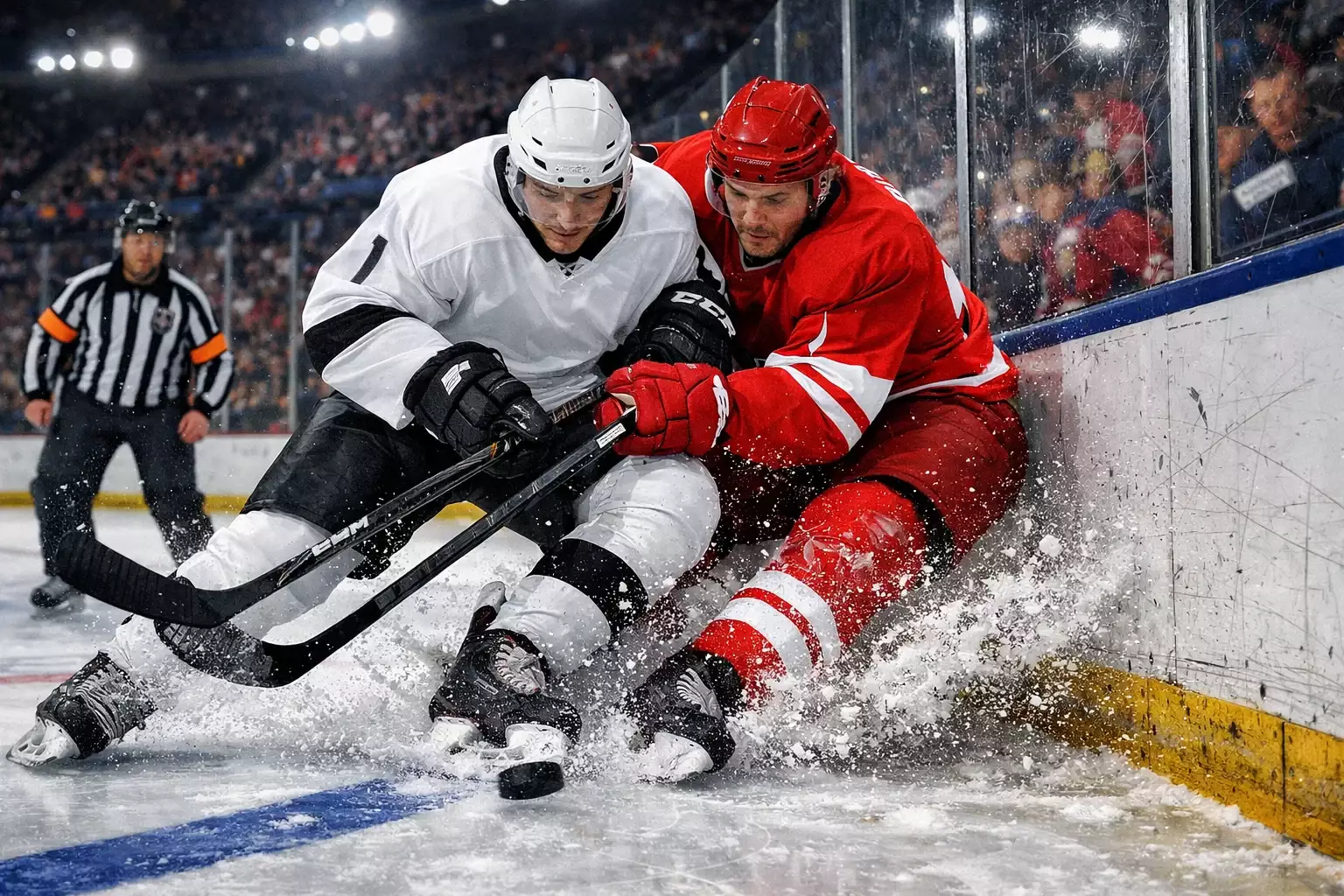
Live betting, also called in-play wagering, allows you to place bets while a game is in progress. Odds update in real-time based on score, time remaining, and game events. If a team falls behind early, their moneyline odds lengthen, potentially offering better value than pregame prices. Conversely, a team that jumps to a quick lead sees their odds shorten dramatically.
Sportsbooks manage live betting risk by suspending markets during active play and reopening them during stoppages. In hockey, this means betting windows typically open during commercial breaks, between periods, and after whistles. The fast pace of hockey creates shorter betting windows than sports like baseball, requiring quick decision-making. Most sportsbooks incorporate slight delays between bet placement and acceptance, protecting against bettors exploiting information before odds adjust.
The live betting market includes most bet types available pregame: moneylines, puck lines, totals, and often a selection of props. Some sportsbooks offer next goal scorer props or period-specific live bets. The available options and their pricing vary considerably between sportsbooks, making it worthwhile to maintain accounts at multiple platforms for live betting purposes.
Live Betting Strategies for Hockey
Momentum plays a significant role in hockey betting, and live markets allow you to capitalize on perceived momentum shifts. A team that dominates possession but trails due to a fluky goal often offers live betting value. Conversely, a team clinging to a lead despite being outplayed may be vulnerable to regression. Learning to distinguish between score-based momentum and underlying game flow is a valuable live betting skill.
Late-game situations create specific live betting opportunities. When a trailing team pulls their goaltender for an extra attacker, typically in the final two minutes, the scoring rate increases dramatically. The leading team has open-net opportunities while the trailing team throws everything forward. Puck line and totals odds adjust accordingly, and bettors who anticipate these situations can sometimes lock in favorable prices before the goalie pull occurs.
Power plays present another live betting consideration. A team starting a power play sees temporary odds improvement due to increased scoring probability. If you have strong opinions about special teams matchups, live betting during man-advantage situations lets you exploit these edges. The key is having your analysis prepared before the penalty occurs so you can act quickly when markets reopen.
Major Ice Hockey Leagues for Betting
NHL (National Hockey League)
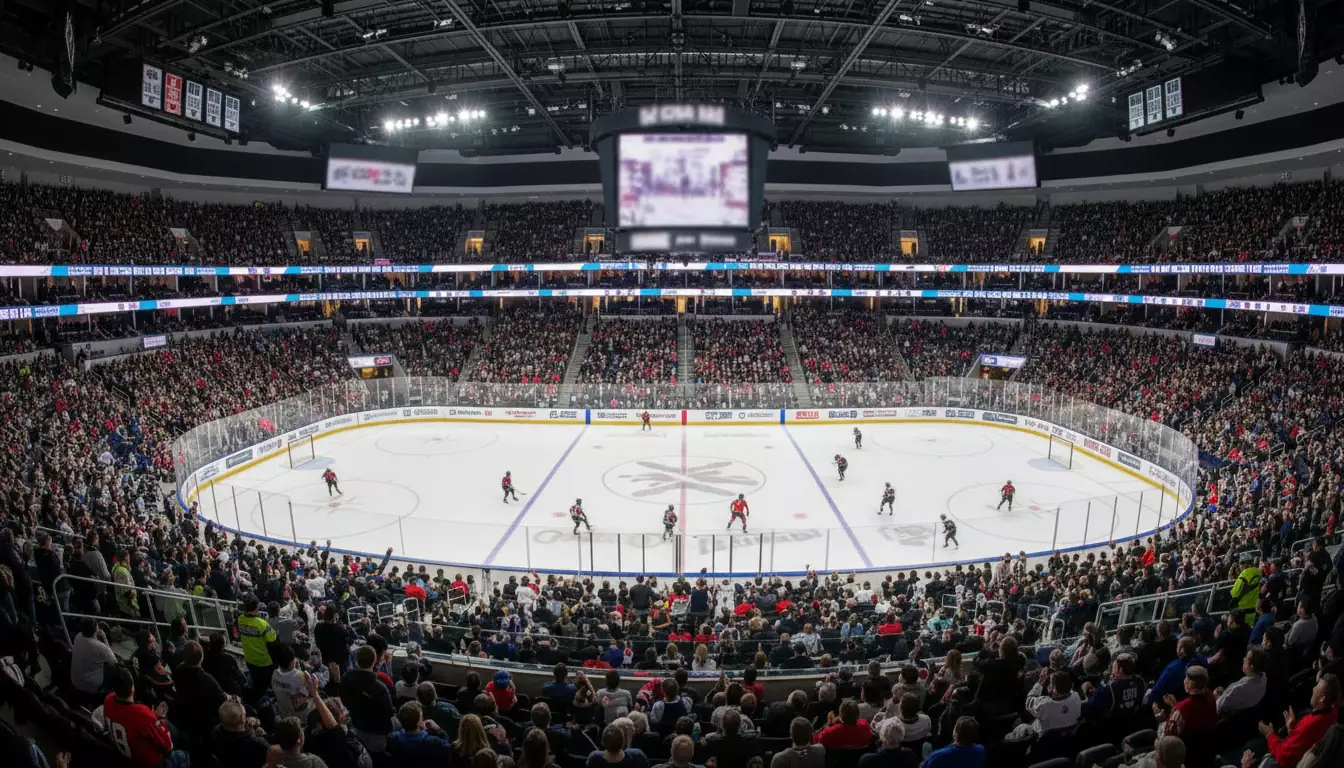
The NHL is the premier ice hockey league in the world and the dominant market for hockey betting. Thirty-two teams compete across an 82-game regular season, followed by a playoff tournament culminating in the Stanley Cup Finals. The league features the best players globally, the highest level of competition, and correspondingly the most efficient betting markets.
From a betting perspective, the NHL offers the widest range of bet types, the most competitive odds, and the deepest liquidity. Sportsbooks dedicate substantial resources to setting NHL lines, meaning edges are harder to find than in less-followed leagues. However, the depth of available information, including advanced statistics, lineup data, and injury reports, allows prepared bettors to develop informed opinions.
The NHL schedule creates specific betting considerations. Back-to-back games, where teams play two consecutive nights, often in different cities, create fatigue factors that impact performance. The second half of back-to-backs historically shows decreased home ice advantage and altered goaltender usage. Understanding schedule spots is essential for NHL betting success.
International Leagues
The Kontinental Hockey League operates primarily in Russia with teams also located in Belarus, Kazakhstan, and China. KHL games occur during European daytime hours, making them available for North American bettors in the morning. The league features strong talent but less parity than the NHL, with Moscow clubs often dominating. Betting markets exist at most major sportsbooks, though limits and odds quality vary.
European domestic leagues including the Swedish Hockey League, Finnish Liiga, and German DEL offer additional betting opportunities. These leagues run roughly parallel to the NHL season, providing action during North American off-hours. The talent level sits below the NHL but above most junior leagues, and the betting markets can be less efficient due to reduced sportsbook attention. Bettors with specific knowledge of these leagues can find value, though information access is more challenging than for the NHL.
Betting on international leagues requires adjusting for different playing styles and rule variations. European rinks are wider than NHL surfaces, favoring puck possession and skating over physical play. Overtime formats differ between leagues, affecting how three-way and puck line markets settle. Understanding these nuances is essential before betting on international hockey.
College and International Tournaments
NCAA Division I hockey provides betting opportunities primarily during the March tournament, though regular season games occasionally appear on sportsbooks. The college game features wider talent disparities than the professional level, sometimes creating betting value on heavy favorites or substantial underdogs. However, the reduced information available about college players and teams makes handicapping more challenging.
International tournaments including the IIHF World Championship and Winter Olympics feature national teams competing with various levels of commitment. NHL players participate inconsistently depending on playoff schedules and team policies. The quality of play can be erratic, with motivated underdogs capable of upsets against superior opponents playing without full rosters. The 4 Nations Face-Off and similar exhibition events attract betting interest but carry significant uncertainty due to their unconventional formats.
Tournament betting requires adjusting for motivation, roster composition, and tournament structure. Round-robin games early in events often feature experimentation before teams settle on optimal lineups for elimination rounds. Historical patterns in these tournaments can provide edges, but sample sizes are small and participating rosters change significantly between events.
Proven Ice Hockey Betting Strategies

Analyzing Goaltender Matchups
No position in major team sports influences game outcomes more than the hockey goaltender. A hot goalie can steal games against superior opponents, while a struggling goalie can torpedo a team's chances regardless of outfield talent. Tracking goaltender performance and understanding when starters versus backups will play is perhaps the single most important aspect of hockey betting.
Key goaltender statistics include save percentage, goals against average, quality start percentage, and goals saved above expected. Save percentage measures the proportion of shots stopped and remains the foundational goalie metric. Goals against average provides context but can be misleading because it reflects team defense as much as individual performance. Goals saved above expected uses shot quality data to isolate goaltender contribution from team effects, offering a more nuanced view.
Goaltender workload patterns create predictable betting opportunities. Most NHL teams operate with a clear starter who handles 50-60 games and a backup who plays 20-30 games. Back-to-back schedule spots almost always feature the backup in one of the two games, typically the second. Travel and fatigue considerations mean teams rarely play starters on consecutive nights. Monitoring goaltender starts announced before puck drop is essential for serious hockey bettors.
Understanding Team Form and Scheduling
Team form encompasses recent results, underlying performance metrics, and situational factors like injuries and lineup changes. Hot streaks and cold streaks are real phenomena in hockey, though they often reflect random variation more than genuine changes in team quality. Distinguishing between luck-driven results and sustainable performance changes requires looking beyond the scoreboard.
Schedule analysis reveals situational edges that oddsmakers sometimes underweight. Rest advantages matter in hockey, where the physical toll of games affects subsequent performance. Teams playing their third game in four nights face fatigue disadvantages, while teams coming off multiple days rest have recovery benefits. Travel patterns also matter: cross-country trips, early puck drops after overnight flights, and games at altitude all create potential edges.
Home ice advantage exists in hockey but is smaller than in other major sports, worth approximately 0.25 to 0.30 goals per game in the regular season. This advantage grows in the playoffs when crowd intensity increases. However, many bettors overvalue home ice in regular season spots where the visiting team has schedule advantages or superior goaltending. Treating home ice as one factor among many, rather than a primary consideration, leads to more accurate assessments.
Using Advanced Hockey Statistics
Modern hockey analytics provide deeper insight than traditional statistics like goals and assists. Corsi measures all shot attempts, including those blocked or missing the net, to gauge puck possession and offensive pressure. Fenwick excludes blocked shots to focus on unblocked attempts. Both metrics correlate with long-term scoring results better than goals themselves over small samples.
Expected goals models assign probability values to each shot based on location, type, and game situation. These models reveal when teams are outperforming or underperforming their underlying shot quality. A team winning games despite poor expected goals numbers is likely benefiting from hot goaltending or finishing luck that will regress over time. Conversely, teams losing close games with strong underlying metrics often present betting value.
The application of advanced stats to betting requires appropriate context. Sample size matters enormously, as five or ten games of Corsi data reveals less than fifty or eighty games. Situational adjustments (score effects, strength states) also matter, since teams trailing late take more shots regardless of actual dominance. Using advanced stats effectively means understanding their limitations alongside their insights.
Line Shopping and Value Betting
Line shopping involves comparing odds across multiple sportsbooks to find the best available price. A team at -150 at one book and -140 at another represents free value for bettors maintaining accounts at both. Over time, consistently capturing the best available lines significantly improves profitability. This practice requires minimal effort but delivers substantial long-term benefits.
Value betting means identifying situations where your estimated probability exceeds the implied probability embedded in the odds. If you believe a team has a 55 percent chance of winning but the odds imply only 50 percent, you have found value regardless of whether the bet wins. Value betting requires both accurate probability estimation (difficult) and emotional discipline to bet objectively rather than on gut feelings or rooting interests.
Timing your bets can also capture value. Lines move between opening and game time based on betting action and information. Some bettors prefer early lines before sharp action moves them, while others wait for news about lineups and goaltenders. Understanding how and why lines move helps identify which approach fits your handicapping process.
Bankroll Management
Bankroll management determines how much to stake on each bet relative to your total betting funds. Conservative approaches suggest risking 1-2 percent of your bankroll per wager, limiting the damage from inevitable losing streaks. More aggressive approaches increase stake sizes but require larger bankrolls to absorb variance.
Unit-based betting provides a consistent framework for sizing wagers. Designate a fixed dollar amount as one unit, typically 1 percent of your bankroll, and size bets as multiples of that unit based on confidence level. A standard bet might be one unit, while a high-confidence play might warrant two or three units. This system scales automatically as your bankroll grows or shrinks.
The cardinal sin of bankroll management is chasing losses by increasing bet sizes after losing streaks. This behavior transforms manageable downswings into catastrophic bankroll depletion. Losing streaks happen to everyone, even sharp bettors with genuine edges. Maintaining consistent unit sizes through variance keeps you in the game long enough for edges to materialize.
Expert Tips for Betting on Ice Hockey
Successful hockey betting combines information gathering, disciplined analysis, and emotional control. The following tips distill key principles that separate profitable bettors from recreational losers.
Always confirm starting goaltenders before placing bets. Goaltender announcements typically arrive one to two hours before puck drop. Lines often move significantly once starters are confirmed, especially when backups receive unexpected starts or injured goalies return. Betting before goaltender confirmation means flying blind on the most important single variable in hockey.
Respect schedule spots and rest advantages. Teams playing the second half of back-to-backs, particularly on the road, face significant disadvantages that compound throughout a long season. Conversely, teams with multiple days off often outperform expectations, especially against fatigued opponents. Schedule information is freely available yet consistently underweighted by casual bettors.
Monitor injury reports beyond star players. Obviously, losing a top-line center matters. But depth injuries accumulate and force lineup juggling that disrupts chemistry. Teams missing two or three bottom-six forwards may look complete on paper but play disjointed hockey in practice. Pay attention to full lineup configurations, not just headline names.
Avoid overvaluing home ice in the regular season. The regular season home advantage is modest, roughly equivalent to a few points on the moneyline. Teams with superior goaltending or favorable schedule situations can overcome home ice easily. Save your home ice enthusiasm for playoff series where the advantage genuinely increases.
Adjust your approach for playoff hockey. The playoffs feature tighter checking, more conservative coaching, and reduced scoring compared to the regular season. Unders hit at higher rates as teams prioritize defense. Goaltender performance becomes even more paramount as starters play nearly every game. Series prices require thinking in terms of four-to-seven game samples rather than individual contests.
Bet with your head, not your heart. Everyone has favorite teams, rivalries, and players. These emotional attachments cloud judgment and lead to biased assessments. If you cannot bet against your favorite team when the odds favor it, at minimum avoid betting on games involving them. Separating fandom from betting is essential for long-term success.
Conclusion
Ice hockey offers a compelling betting landscape for those willing to invest time in understanding its nuances. The sport's combination of skill, speed, and randomness creates markets where informed bettors can find edges while enjoying the inherent excitement of the game. From straightforward moneyline bets to complex futures and props, hockey provides options for every betting style and risk tolerance.
The fundamentals covered in this guide, including understanding odds, mastering core bet types, analyzing goaltender matchups, and implementing sound bankroll management, form the foundation for successful hockey betting. These principles apply whether you focus on the NHL, explore international leagues, or dabble in tournament wagering. Consistency in applying them separates long-term winners from those who rely on luck.
Remember that betting should enhance your enjoyment of hockey, not detract from it. Set realistic expectations about profitability, establish limits that protect your finances, and maintain perspective when results disappoint. The sportsbooks have structural advantages that make consistent winning difficult. Those who approach betting as entertainment with the possibility of profit, rather than a guaranteed income source, find the experience most rewarding.
Continue learning as markets evolve and your experience grows. Track your bets, analyze your results, and refine your approach based on evidence rather than intuition. The hockey betting landscape rewards preparation, discipline, and continuous improvement. Whether tonight's puck drop is your first or your thousandth hockey bet, the next game always brings fresh opportunity.
Frequently Asked Questions About Ice Hockey Betting
What is the puck line and how does it work in hockey betting?
The puck line is hockey's point spread, almost always set at 1.5 goals. When you bet on the favorite at -1.5, that team must win by two or more goals for your bet to win. When you bet on the underdog at +1.5, that team can lose by one goal and you still win, or they can win outright. The standard 1.5-goal spread exists because hockey is low-scoring and most games are decided by one or two goals, making variable spreads impractical.
A crucial aspect of puck line betting involves overtime. If any game reaches overtime, the final score difference is exactly one goal, since overtime or the shootout produces a winner by a single tally. This means favorites at -1.5 automatically lose every game that goes to overtime, regardless of who wins. Underdogs at +1.5 automatically win every overtime game. Approximately 23 percent of NHL games reach overtime, making this a significant factor in puck line strategy. Many bettors favor underdog puck lines specifically because they capture both close losses and overtime insurance.
How do overtime and shootouts affect my hockey bets?
The impact of overtime and shootouts depends on your bet type. Standard moneylines include overtime and shootout results, so if your team wins by any method, you win your bet. Puck line bets are heavily affected because overtime games always end with a one-goal margin, meaning -1.5 favorites lose and +1.5 underdogs win whenever overtime occurs.
Totals bets include the overtime goal but treat shootout decisions differently depending on the sportsbook. Most books count a shootout winner as one goal added to the total, meaning a game tied 3-3 after overtime that goes to a shootout settles as 4-3 for totals purposes. However, some international sportsbooks exclude shootout goals entirely. Always verify your sportsbook's rules before placing totals bets on games likely to be close.
Three-way betting, or 60-minute lines, completely excludes overtime. You are betting strictly on regulation results: home win, away win, or draw. If the game is tied after three periods, the draw wins regardless of what happens in overtime. This bet type offers enhanced odds on each team because the sportsbook must account for the draw possibility, but you sacrifice any chance of winning when your team wins in overtime.
What are the best strategies for betting on ice hockey?
The most impactful strategy is thoroughly analyzing goaltender matchups. Goaltenders influence game outcomes more than any other position in major team sports. Track save percentage, goals saved above expected, and recent workload. Always confirm starting goaltenders before betting, as lines move significantly when expected starters are scratched or backups receive surprise starts. This single variable explains more outcome variance than any other factor.
Schedule analysis provides reliable edges that many bettors overlook. Teams playing the second game of a back-to-back situation, especially on the road, face fatigue disadvantages that accumulate over a long season. Rest advantages compound for teams with multiple days off facing fatigued opponents. Unlike subjective assessments of team quality, schedule information is objective and freely available.
Finally, maintain disciplined bankroll management. Bet consistent unit sizes based on your total bankroll, typically 1-2 percent per wager. Resist the temptation to chase losses with larger bets after losing streaks. Track your bets systematically to identify strengths and weaknesses in your handicapping. The bettors who profit long-term are not necessarily the smartest analysts but the most disciplined practitioners.
