
Live Hockey Betting Odds
 Available in US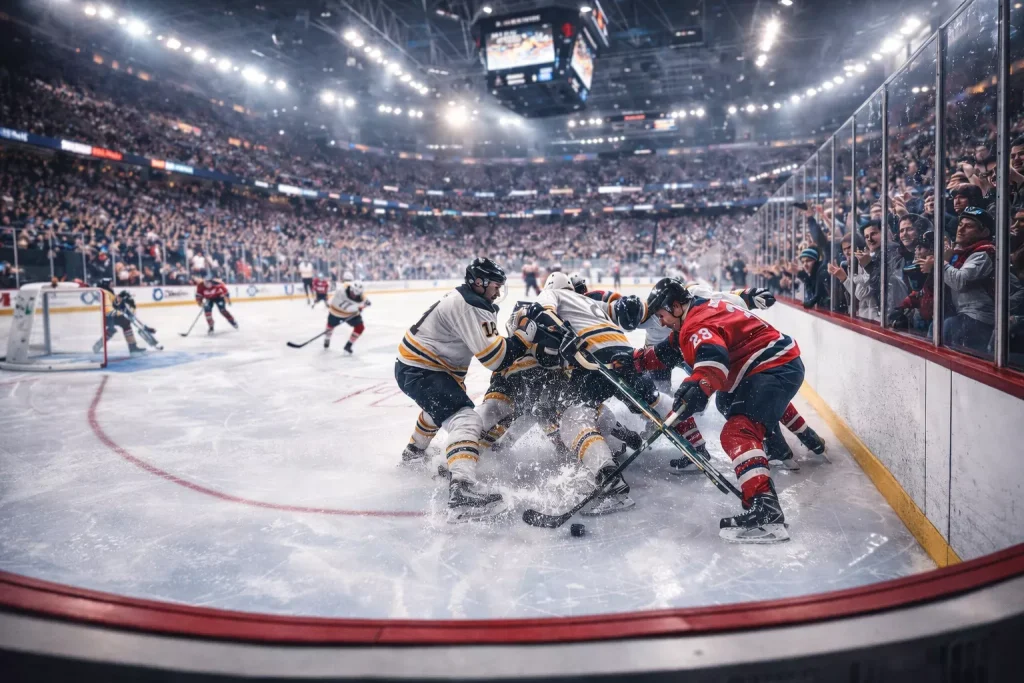
The transformation of sports betting over the past decade has been driven largely by one innovation: live betting. The ability to place wagers after a game has started, with odds that adjust in real time based on what is happening on the ice, has fundamentally changed how people engage with hockey. No longer do you need to make all your decisions before puck drop and then sit passively hoping your pre-game analysis proves correct. Live betting lets you react to what you are actually seeing, capitalize on momentum shifts, and find value that did not exist when the game began.
Hockey is particularly well-suited to live betting because of its continuous action and frequent scoring chances. Unlike football, where long stretches of clock management create predictable outcomes, or baseball, where discrete at-bats provide natural pauses, hockey flows with constant pressure changes and goal-scoring opportunities that create dynamic odds movement. A power play, a breakaway, a goaltender pulled for an extra attacker: each situation shifts probabilities in ways that live betting markets must capture.
The growth of in-play wagering has been staggering. In 2026, live betting accounts for a majority of total hockey wagering handle at many sportsbooks, up from a small fraction just a decade ago. This guide explains how live hockey betting works, identifies the key moments where value emerges, outlines strategies that sharp bettors employ, and addresses the risk management essential for anyone participating in this fast-paced market. Whether you are watching from the arena or streaming on your phone, understanding live betting opens opportunities that pre-game wagering cannot match.
In-play momentum shifts often create highly profitable opportunities for over/under hockey betting, especially during power plays or late-game empty net situations.
In-Play NHL Wagering Mechanics
Live betting operates on fundamentally different principles than pre-game wagering. Understanding the mechanics helps you recognize both the opportunities and the limitations of in-play markets.
Real-time odds are generated by sophisticated algorithms that incorporate the current score, time remaining, which team has possession, special teams situations, and numerous other factors. These algorithms produce odds that update every few seconds during play, creating a constantly shifting landscape of prices. When the home team scores, their moneyline odds shorten instantly while the away team’s lengthen. When a star player takes a penalty, the probabilities recalculate to reflect the upcoming power play. The speed and accuracy of these adjustments have improved dramatically, meaning that obvious mispricings that existed in early live betting markets are now rare.
The types of bets available during games mirror pre-game markets with some additions specific to in-play wagering. Live moneylines let you bet on which team wins from the current score forward, with odds reflecting both the score and the time remaining. Live puck lines adjust based on the game state, with a team trailing by two goals potentially offering even money or plus prices on a -1.5 line that would have been heavily juiced pre-game. Live totals shift based on the pace of scoring, with a game that has seen five goals in the first period offering different over/under lines than a defensive struggle still scoreless halfway through.
Sportsbook delay considerations affect every live bet you place. Because odds change so rapidly, sportsbooks introduce a delay between when you submit a bet and when it is accepted. This delay, typically five to fifteen seconds, protects the book from bettors who try to exploit momentary mispricings during goals or other significant events. If a goal is scored while your bet is pending, the book may reject your wager or offer you updated odds. This delay is not a bug but a feature that allows live betting markets to exist at all; without it, anyone watching with minimal latency could scalp the book continuously.
Markets open and close based on game situations. During normal play, most live betting options remain available. When a goal is scored, markets close briefly while odds recalculate. During television timeouts and intermissions, markets reopen with adjusted lines reflecting the new game state. Some sportsbooks keep markets open during play stoppages while others close them; knowing your book’s policies helps you time your bets effectively. Penalty shots and overtime situations may see markets close entirely due to the extreme uncertainty of imminent resolution.
Types of Live Hockey Bets
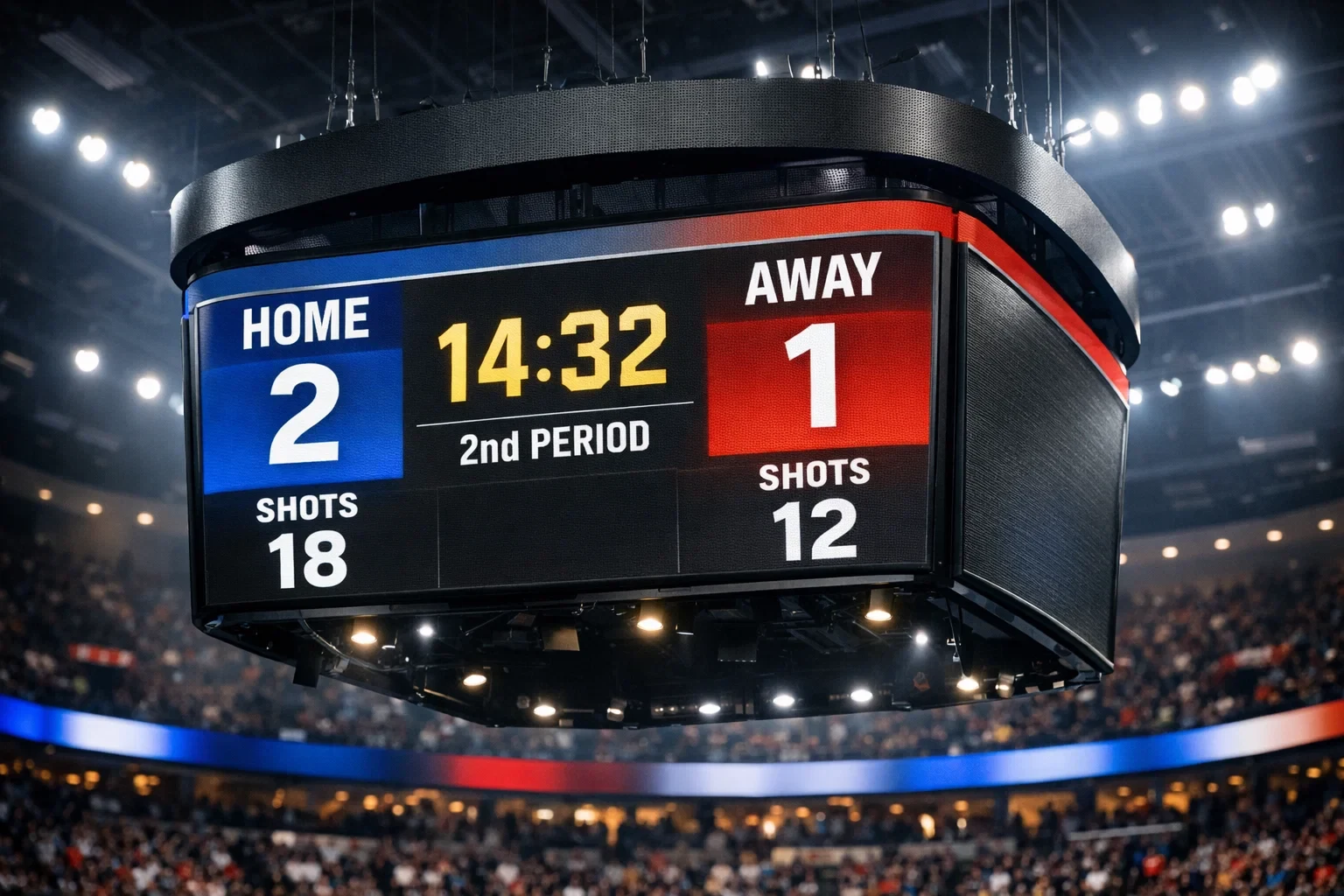
The variety of live betting options has expanded significantly, giving bettors multiple angles on the same game depending on their read of how events will unfold.
Live moneyline betting is the most straightforward in-play wager: which team wins the game from this point forward. The odds reflect both the current score and the time remaining. A team leading 2-1 with ten minutes left might be -300 on the live moneyline, while the same team leading 2-1 with two minutes left might be -800. The adjustment for time remaining creates opportunities when you believe a trailing team is more likely to mount a comeback than the market suggests, or when you think a leading team is more vulnerable than their live odds imply.
In-game puck lines offer the same -1.5 and +1.5 spreads as pre-game betting but with odds that have adjusted to the current situation. A favorite who falls behind early might now be available at +1.5 rather than -1.5, giving you the cushion of goals plus the expectation that they will still win. A heavy underdog who is somehow winning might be available at -1.5 with plus odds, rewarding you handsomely if they can hold the lead and add an insurance goal. The puck line becomes more interesting as games progress because the probability of specific margin outcomes becomes clearer.
Live totals adjust continuously based on scoring pace and game flow. A game that opens at 6.5 total goals but sees three goals in the first period might have its live total reset to 7.5 or 8.5 for the remainder of the game. Conversely, a scoreless first period might see the total drop to 5.5 or 5.0. These adjustments create value when your assessment of the game’s character differs from the market’s algorithmic calculation. If you believe the early goals were fluky and the goaltenders are actually locked in, the over that was pushed higher might offer value on the under.
Next goal scorer markets let you bet on which player will score the next goal in the game. These bets typically offer attractive plus odds on even the most likely scorers, because any one of twelve skaters on the ice at any moment might be the one to put the puck in the net. Next goal scorer bets are highly variant, meaning you will lose most of them, but the payouts when you hit can be substantial. They appeal to bettors who have strong reads on which line is generating pressure or which player is heating up during the game.
Period-specific live bets include moneylines, puck lines, and totals for individual periods rather than the full game. You might bet on whether the second period will have over or under 1.5 goals, or which team will win the third period straight up. These markets allow you to isolate your opinion on a specific portion of the game rather than committing to an outcome that spans sixty minutes. If you believe a team that has been outplayed will make adjustments during intermission, the period line offers a way to bet on that adjustment without needing them to overcome a deficit for the full game.
Key Moments for Live Hockey Betting
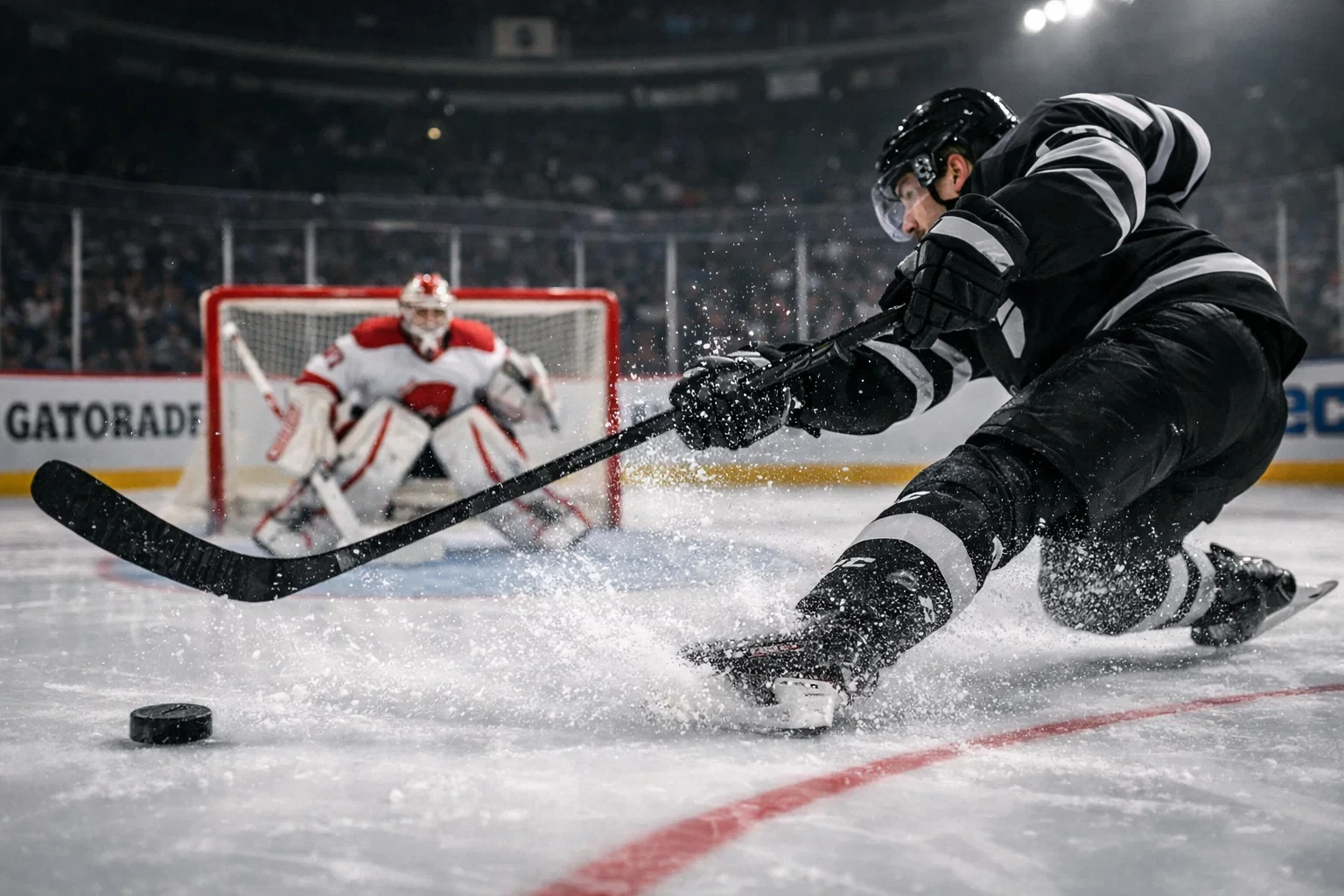
Certain game situations create predictable opportunities for live bettors who understand how odds react to events and how those reactions might over or under-correct.
Power play opportunities shift probabilities meaningfully. When a team takes a penalty, their opponent’s live odds shorten to reflect the approximately 20% conversion rate on power plays. This adjustment happens instantly and is generally efficient, meaning there is no easy edge in simply betting the team going on the power play. The opportunity arises in how you assess that specific power play unit against that specific penalty kill. If an elite power play is facing a struggling penalty kill, the adjustment might be insufficient. If a mediocre power play is facing an elite penalty kill, the adjustment might overcorrect.
Penalty kill situations create the inverse opportunity. When your team takes a penalty, their odds lengthen, but successful penalty kills leave the score unchanged while killing time. If you believe a team can survive the penalty kill and maintain their momentum, betting them at the longer odds during the penalty offers value. The risk is obvious: a power play goal while you are trying to place your bet creates instant negative value. Timing these bets during face-off setups or commercial breaks reduces that risk.
Goalie pull scenarios in the final minutes of close games produce dramatic odds movement and corresponding betting opportunities. When a trailing team pulls their goaltender for an extra attacker, they increase their immediate scoring probability while accepting the risk of an empty-net goal that ices the game. Live odds on the trailing team shorten slightly because of the increased offensive pressure, while odds on the leading team’s puck line improve because an empty-net goal creates a two-goal margin. If you believe the trailing team will tie the game, betting them before the goalie pull captures better odds than waiting. If you believe the leading team will pot an empty-netter, the puck line offers value that did not exist sixty seconds earlier.
Momentum shifts after goals create psychological and strategic changes that the market may not fully price. A team that scores to tie the game often carries momentum into the next several minutes, while the team that blew the lead may be deflated. Conversely, some teams respond to adversity with increased intensity rather than collapse. Your read on how specific teams respond to game situations informs whether the post-goal odds adjustment has over or under-corrected. Teams known for resilience after conceding goals might offer value at their newly lengthened odds.
Intermission betting windows provide time to assess what you have seen and place bets without the pressure of live action. The first intermission comes after twenty minutes of observation, giving you data on which team is controlling play, which goaltender looks sharp, and whether the pre-game narratives are holding up. Lines during intermission remain live but stable, meaning you can place bets with confidence that a goal will not be scored while your wager is pending. Many sharp bettors do their live betting exclusively during intermissions for this reason.
Live Betting Strategies for Hockey
Moving from mechanics to strategy requires developing frameworks for when to bet, how to size positions, and what information to prioritize during fast-moving games.
Backing favorites who fall behind is perhaps the most well-known live betting strategy, and for good reason. Favorites are favorites for a reason, and a 1-0 deficit in the first period does not change the underlying talent disparity that made them favored. The market adjusts for the current score, lengthening the favorite’s odds, but often overweights recent events relative to overall team quality. If the favorite is generating chances, controlling possession, and simply has not converted yet, their live odds might offer significantly better value than pre-game prices. The discipline required is patience: waiting for the right situation rather than reflexively betting every trailing favorite.
Late-game puck line opportunities emerge when the score and time create specific value on the spread. A team winning 3-2 with five minutes left is heavily favored on the moneyline but might be available at plus money on the puck line. If you believe they will add an empty-net goal, the puck line at +150 offers better value than the moneyline at -350, even though both bets require the same team to win. Conversely, a team losing 3-2 with five minutes left might be available at the +1.5 puck line with minimal juice, a bet that wins with a tying goal even if they lose in overtime.
Watching for goalie fatigue becomes relevant in high-event games. A goaltender who faces 40 shots in the first two periods might be showing subtle signs of fatigue that the algorithms do not capture. Longer reactions, more rebounds given up, positioning that is a step slow: these visual cues inform live betting decisions that pure statistical models miss. If you see a goalie struggling, betting the over on remaining goals or betting the opposing team to score next exploits information that is not yet reflected in the odds.
Reading in-game statistics provides edges over bettors who rely only on the eye test. Most streaming platforms display shot counts, face-off percentages, and zone time. A team that is losing 1-0 but has outshot their opponent 18-6 is generating enough chances that regression may be coming. A team that is winning 2-1 but has been outshot 25-10 is playing with fire and may concede eventually. Combining statistical awareness with visual observation creates a more complete picture than either alone.
Managing Risk in Live Betting
Live betting’s speed and excitement create risks that pre-game wagering does not. Managing these risks is essential for anyone who wants to bet live without destroying their bankroll.
Avoiding impulsive bets is harder than it sounds when you are watching a game and the betting app is open on your phone. Every momentum swing creates the urge to bet, every missed call by the referee triggers the desire to back the wronged team, every exciting shift makes you want to have action. This impulsivity is exactly what sportsbooks count on from recreational bettors. The antidote is a pre-game plan that specifies under what conditions you will place a live bet, and the discipline to stick to that plan even when your emotions are screaming otherwise.
Setting live betting limits creates a structural guardrail against impulsivity. Decide before the game starts how much you are willing to risk on live bets, and stop when you reach that limit regardless of what is happening. A $50 live betting budget means you stop at $50 even if you are convinced there is edge remaining. This structure prevents the common pattern of winning early, increasing stakes, and eventually giving back all profits plus more. The limit should be set cold, before the game begins, when you can think rationally about risk.
Knowing when to step away protects you from the worst live betting losses. If you have lost several bets in a row and feel frustration building, the correct action is to close the app and watch the game without betting. If you have won several bets and feel invincible, the correct action is also often to step away rather than pressing until your luck turns. The emotional intensity of watching a game while betting live makes rational decision-making progressively harder as the game goes on. Recognizing your own degraded judgment is a skill that develops with experience.
The relationship between live betting and alcohol deserves mention. Many people watch hockey at bars or with drinks at home, and impaired judgment plus easy mobile betting access creates predictable problems. Decisions that seem obvious after a few drinks often look foolish the next morning. If you plan to drink while watching the game, consider placing your pre-game bets and then leaving the live betting markets alone entirely.
Tools for Live Hockey Betting
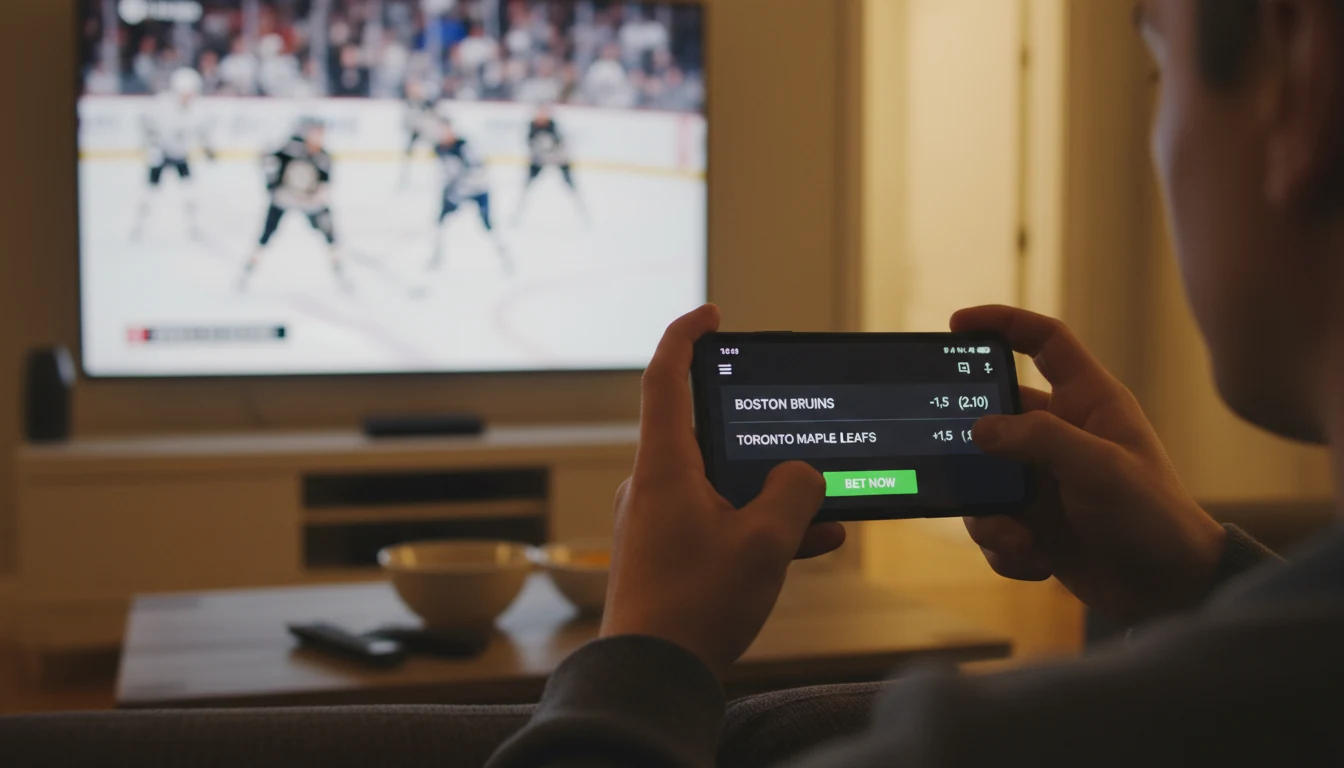
Effective live betting requires access to information and the technology to act on it quickly. Understanding what tools are available helps you compete with other bettors who might have advantages you lack.
Live stats and trackers provided by various websites and apps display real-time information including shot counts, scoring chances, expected goals, and other metrics. These tools help you assess whether your eye test matches the underlying numbers. A team that looks dominant but is barely leading in shots might not be as dominant as they appear. A team that looks outclassed but is generating high-danger chances might be due for a breakthrough. The best live bettors combine what they see with what the numbers show.
Streaming considerations affect your ability to bet live effectively. If your stream is delayed by thirty seconds relative to the actual game, you are betting on stale information while the market has already adjusted to what happened. This delay disadvantage becomes critical during goals and other significant events. Betting during stoppages rather than live action mitigates delay risk. Some bettors maintain multiple streams from different sources to identify which has the least latency.
Mobile betting apps have become the primary interface for live betting because they allow you to watch the game on television while placing bets on your phone. App quality varies significantly across sportsbooks, with some offering smooth, fast interfaces and others suffering from lag and crashes during high-volume moments. If you plan to bet live regularly, testing multiple apps and identifying which performs best during games is worth the effort. A frozen app during a critical moment is frustrating at best and costly at worst.
Line shopping during live betting is harder than pre-game because of time pressure, but bettors who maintain accounts at multiple sportsbooks can check competing lines before placing significant wagers. A half-point difference in totals or five points of moneyline juice matters the same in live betting as in pre-game betting, and the cumulative impact of always finding the best price compounds over time.
Common Live Betting Mistakes
Even experienced bettors make predictable errors in live markets. Recognizing these patterns in your own behavior is the first step toward eliminating them.
Chasing losses in-game is the most destructive live betting mistake. If your pre-game bet is losing and you start placing live bets to try to recover, you are compounding your exposure to a single game’s outcome. The psychology is understandable: you want to salvage the evening rather than book a loss. But the mathematics are unforgiving: doubling down on a losing position increases variance without improving expected value. The correct response to a losing pre-game bet is usually to let it resolve and evaluate the next game fresh, not to dig deeper into the current one.
Overreacting to single goals afflicts bettors who place too much weight on recent events. A team that just scored must be dominating; a team that just conceded must be collapsing. In reality, a single goal in hockey often comes from a single bounce, deflection, or fortunate rebound rather than reflecting broader game control. Waiting to see whether a goal reflects sustainable momentum or merely random variance improves bet quality. The immediate post-goal odds adjustment often overcorrects, creating value on the team that just conceded rather than the team that just scored.
Ignoring situational factors while focusing on the live action misses important context. A team that is losing might be resting players for tomorrow’s more important game. A team that is winning might be taking their foot off the gas because they have clinched a playoff spot. Line changes that bring out a fourth line rather than a first line signal something about team strategy that affects betting value. The score and time remaining are not the only factors that matter; understanding why teams are playing as they are adds another layer of analysis.
Betting too frequently is the silent killer of live betting profitability. The action and excitement of watching a game creates the sense that you should be betting constantly, capturing every perceived edge. In reality, most moments do not offer genuine edge, and the accumulation of small negative-expected-value bets erodes your bankroll just as surely as large losing bets. Discipline means waiting for the right spots rather than forcing action throughout the game. Some games will not offer any live betting value, and that is acceptable.
Developing Your Live Betting Approach

Building a sustainable live betting practice requires matching your approach to your goals, resources, and temperament.
For casual bettors who want to add excitement to watching games, small-stakes live betting on simple outcomes like next goal or period results provides entertainment value without risking significant money. The goal is engagement rather than profit, and treating live betting as a form of entertainment spending rather than investing makes the occasional losses acceptable.
For serious bettors seeking edge, live betting requires the same discipline and bankroll management as pre-game wagering, with additional skills around fast decision-making and emotional regulation. Tracking your live betting results separately from pre-game results reveals whether you actually have edge or are merely entertaining yourself at cost. If your pre-game betting is profitable but your live betting is negative, reducing or eliminating live betting improves overall results.
Finding your optimal engagement level means experimenting with different approaches. Some bettors thrive in the fast-paced live environment and generate most of their edge from in-play markets. Others find that live betting degrades their decision quality and perform better sticking to pre-game positions. There is no universal answer; the right approach is whatever produces the best results for you specifically.
The integration of live betting with pre-game positions creates strategic possibilities. A pre-game bet that looks wrong after the first period might be hedged or doubled down on with live positions depending on your updated assessment. Viewing the game as a single betting opportunity rather than separate pre-game and live segments allows for more sophisticated position management.
Conclusion
Live hockey betting offers opportunities that did not exist a generation ago. The ability to bet after seeing how a game is unfolding, to react to injuries and momentum shifts, and to find value in situations the pre-game market could not anticipate has transformed hockey wagering.
The skills required for live betting success include fast information processing, emotional discipline, and the judgment to distinguish between genuine opportunities and the noise of random events. These skills develop with practice but also require self-awareness about when you are performing well and when you are not.
The risks of live betting are real and not merely theoretical. The speed, the excitement, and the constant availability of action create traps that catch even experienced bettors. Managing these risks through position limits, predetermined stop-losses, and honest self-assessment is not optional but essential.
For those who develop the necessary skills and discipline, live hockey betting provides an engaging and potentially profitable addition to the pre-game wagering that has always formed the core of sports betting. The markets will continue to evolve, the technology will continue to improve, and the opportunities will continue to exist for bettors willing to put in the work to find them.
Stay ahead of the game with real-time updates and expert advice from the leading NHL betting guide.
